



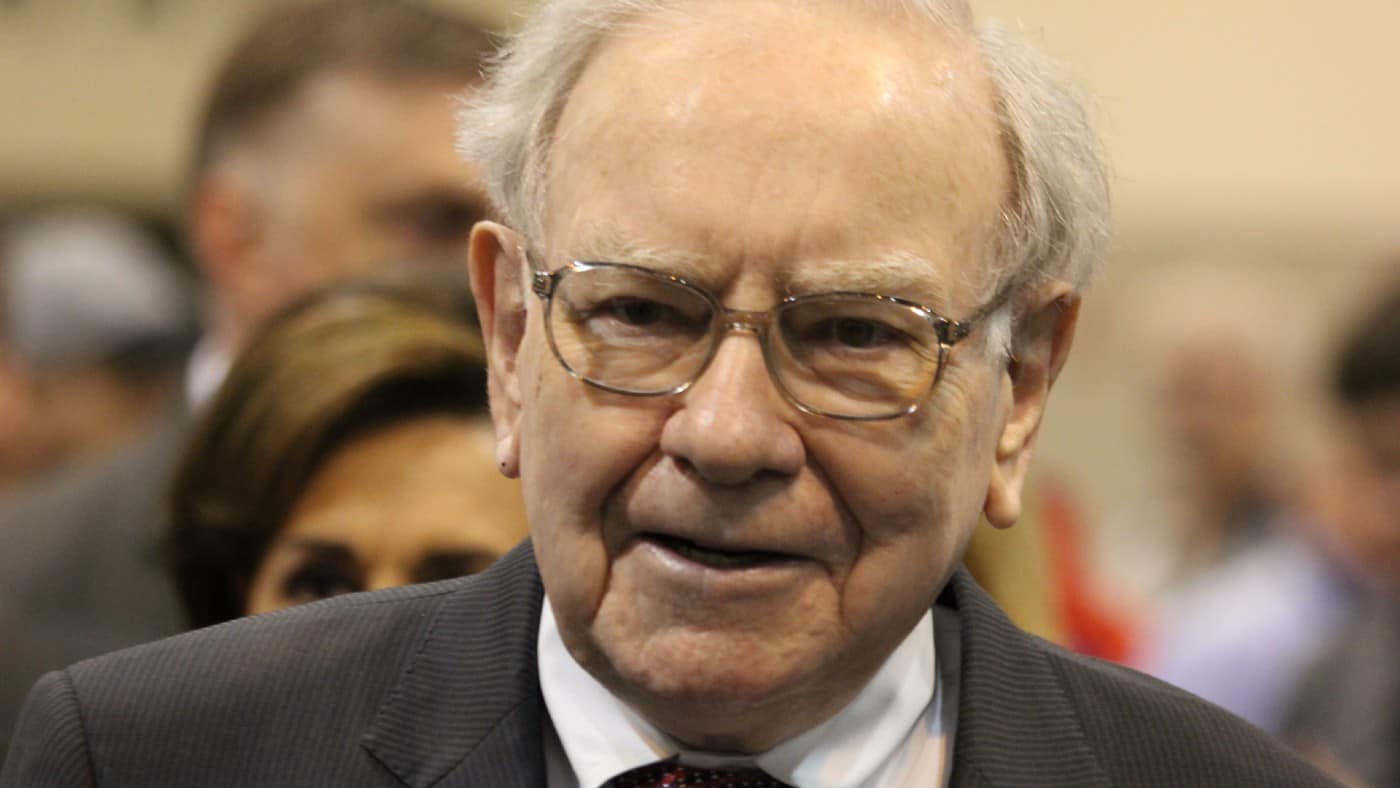
Warren Buffett isn’t exactly a poster child for retiring early. At 91 years of age, the master investor is still working, albeit doing something he loves. By this stage, building wealth for himself really isn’t his primary goal.
I doubt I’ll be following the markets as closely as Buffett if I’m fortunate enough to become a nonagenarian. Nevertheless, adopting the wisdom of the ‘Sage of Omaha’ could increase my chances of being able to quit the rat race early or, at least, earlier than most people.
Buy the best
Investment legends like Warren Buffett didn’t get rich through luck or riding speculative trends. In other words, he didn’t buy sub-standard stocks that then went on to somehow deliver spectacular returns.
This is not to say Buffett always went for quality. In the early days, he specialised in ‘cigar butt’ stocks — those companies trading at a lower value than they were actually worth. The objective here was to get one last ‘puff’ out of them before they folded.
Influenced by his business partner, Charlie Munger, Buffett later realised that he could do better by simply owning the best stocks he could find and holding them for decades. This allowed his money to compound at a better rate, turning Buffett into a billionaire.
Fortunately for me, this kind of approach can be replicated by the humble private investor. This is why I’m constantly on the lookout for growth stocks with great brands, big market shares and solid balance sheets.
Don’t diversify (too much)
Another reason for Warren Buffett’s success is his lack of diversification. This patently makes sense given the point above. The number of truly great stocks out there will always be dwarfed by the also-rans. Anyone investing based on quality metrics should always have high standards.
Exactly how many stocks an investor like me should hold is, however, a personal decision. Ultimately, it’s all about striking a balance between what sort of returns I’m looking for and how much risk I’m prepared to take to get them. Finding this sweet spot takes a bit of trial and error. That said, the number of stocks I own is now far lower than it used to be and, thus, more manageable.
This is not a ‘set and forget’ strategy though. As I approach (early) retirement, it’s likely that my risk tolerance will change and diversification will become more — rather than less — important. Preserving capital becomes the objective, not generating more of it.
Know what you own
In addition to buying high-quality stocks and keeping my portfolio as lean as possible, there’s a third element to the master investor’s strategy that I need to mention.
Warren Buffett only buys stakes in businesses he understands. Call it ‘sticking to your knitting’ or something similar. Buffett labels it his ‘circle of competence’.
Again, this requires a bit of honest reflection. It’s remarkably easy to slip into the idea that I can be an all-seeing, all-knowing stock-picker, regardless of sector. Unfortunately, this merely raises the probability of coming unstuck. This could then impact my returns and my ability to retire early. Buffet hasn’t been immune to making such mistakes himself.
Knowing a few sectors (and companies) really well is preferable to becoming a ‘jack of all trades’. Again, expertise takes time. But it could make all the difference.