



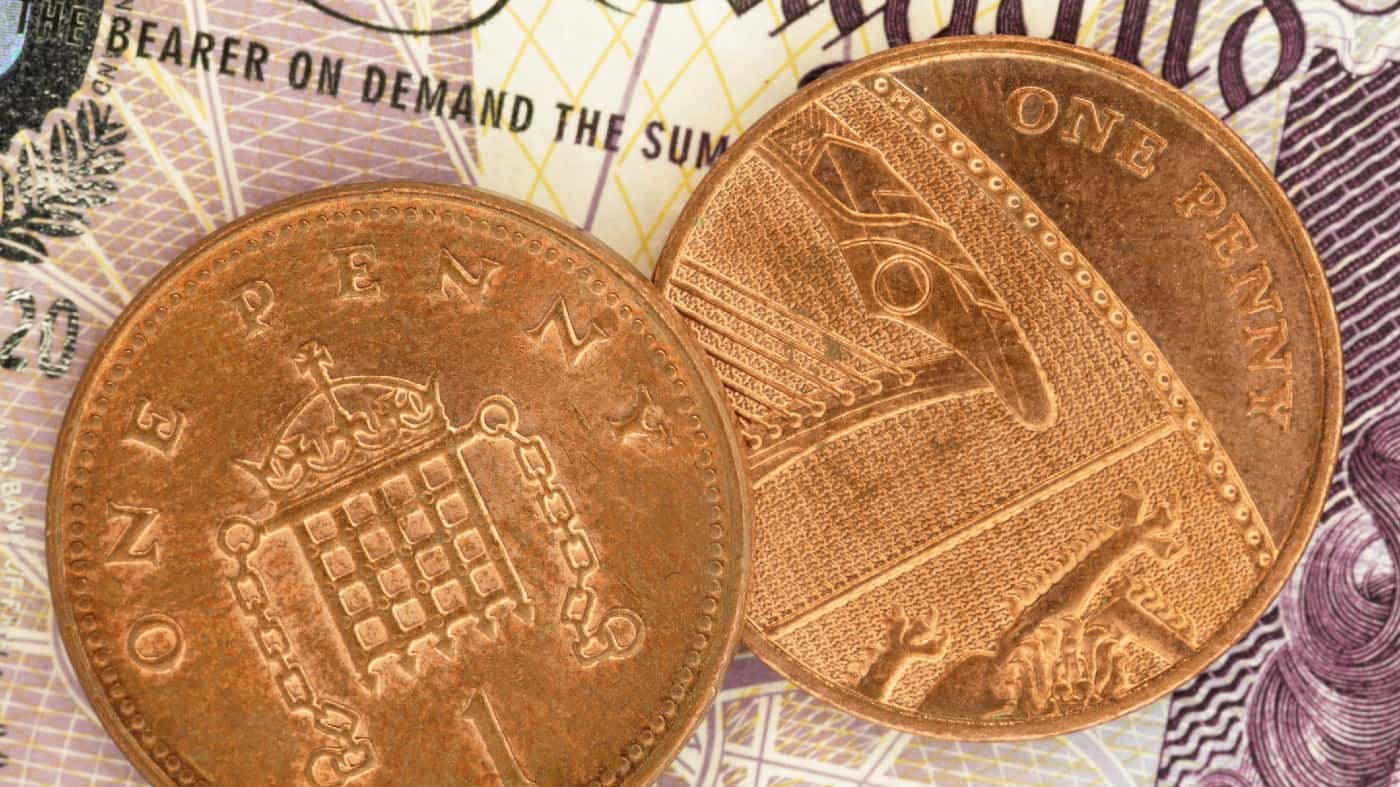
Some investors reckon they can get rich investing in penny stocks, while others avoid them like the plague. I do think penny stocks can be lucrative — but, like all shares, they need to be treated with care. Here’s why I think some penny stocks can be worth investing in for my portfolio.
Good things about penny shares
Penny stocks are no different to any other shares except for their price. They’re still shares. So, for example, at some points over the past year Rolls-Royce has been a penny share, but at other points it has traded above the one pound level. Vodafone has recently been getting close to penny share territory, while Lloyds has traded in pennies for over a decade. So, some penny shares at least can offer exposure to large, successful companies.
One of the attractions of penny shares is that they can also offer a way to get in to compelling growth stories while the company is relatively young. Vodafone is a good example, in fact: it traded as a penny share for much of the 1990s. Investors who bought it at that price saw strong returns when the boom in mobile communications saw the company’s valuation soar. The hope of similar success attracts investors to some of today’s penny stocks, such as AFC Energy. But of course, while early stage companies with limited commercial track records can go on to be world beaters, they can also burn through capital and not succeed in the marketplace.
Risks with penny stocks
While there are things I like about penny stocks, it’s important to go into the field with one’s eyes wide open. There can be lots of risks.
Penny shares are simply shares at the end of the day, so they have risks common to all shares. For example, unexpectedly poor business results can hurt a share’s price. Changes in market conditions, technology, or regulations can make a company’s projected income streams obsolete.
But there are some risks that I think are more common with penny stocks than in the wider market. Many penny stocks have fairly small market capitalisations. That can lead to more erratic share price swings, as well as a big gap between buying and selling prices on occasion. Some penny shares are so illiquid it can be hard to find a buyer for them at all. A key risk I consider is whether the directors act in the best interests of shareholders. Small companies often lack the influential oversight of institutional investors with significant financial stakes they want to protect.
Why I think penny stocks can be worth it
Aware of the risks, I still think penny stocks can be worth having in my portfolio. I hold Lloyds and Centrica, for example.
But focussing just on the price is a mistake when assessing any share, in my view. The key point is not price but value. I look at a company’s likely future income and compare it to the current market valuation. I buy penny shares for my portfolio – but only if I think they are undervalued based on looking at the company fundamentals. I never buy them purely because they are penny stocks.