


Why I’d avoid the Shell share price and buy these UK stocks instead

Shell shares have been a disappointing investment to own over the past year, so other UK stocks could present attractive options, believes Rupert Hargreaves.

The content of this article was relevant at the time of publishing. Circumstances change continuously and caution should therefore be exercised when relying upon any content contained within this article.

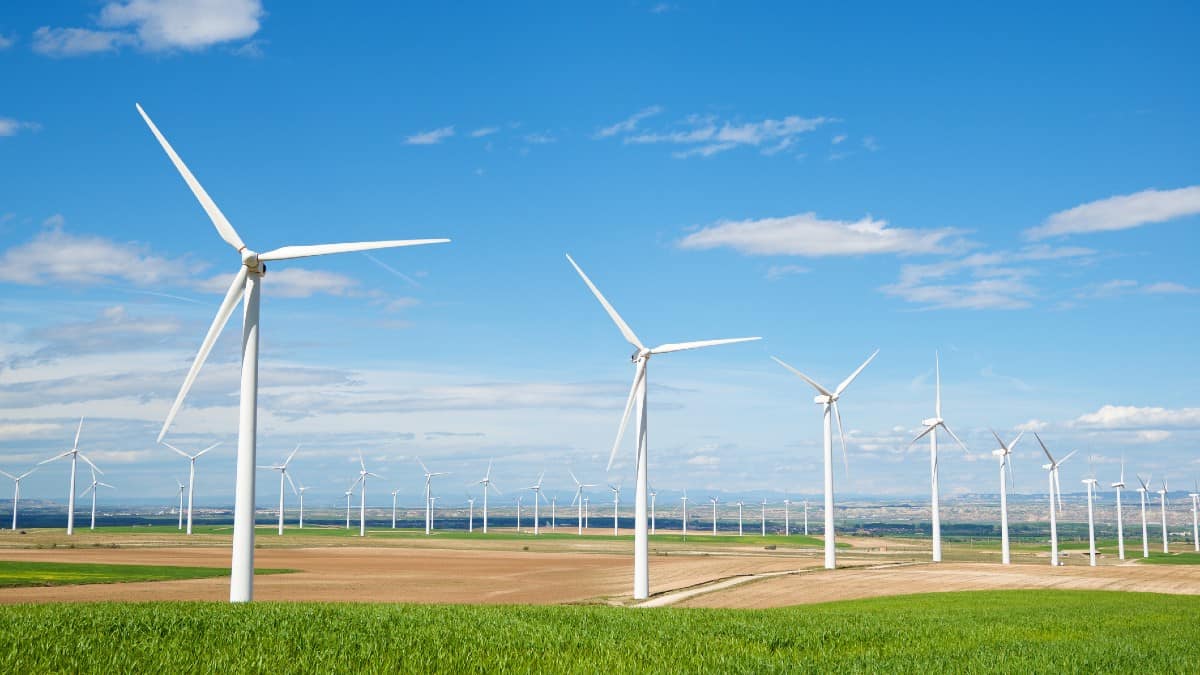
Windmills for electric power production.

Image source: Getty Images

You’re reading a free article with opinions that may differ from The Motley Fool’s Premium Investing Services. Become a Motley Fool member today to get instant access to our top analyst recommendations, in-depth research, investing resources, and more. Learn More.

RISK WARNING: should you invest, the value of your investment may rise or fall and your capital is at risk. Before investing, your individual circumstances should be assessed. Consider taking independent financial advice. The Motley Fool believes in building wealth through long-term investing and so we do not promote or encourage high-risk activities including day trading, CFDs, spread betting, cryptocurrencies, and forex. Where we promote an affiliate partner’s brokerage products, these are focused on the trading of readily releasable securities.

The Shell (LSE: RDSB) share price used to be one of the most respected UK stocks, especially for income investors. But the company was forced to slash its dividend last April as the coronavirus pandemic sent oil prices plunging. This was the first time the group had cut its dividend since the Second World War. 

In my opinion, the dividend cut sent some very negative signals about the company. It exposed Shell’s vulnerability and a lack of preparedness for the future. 

While the organisation has since increased its dividend several times after slashing the payout by two-thirds from $0.47 per quarter to $0.16 (it currently stands at $0.17), I think the company continues to face significant challenges. And this could hold back long-term growth.

The Shell share price challenges

In some respects, Shell had no choice but to cut its dividend. Between 2005 and the beginning of 2020, its debt jumped from $1bn to $73bn. At the same time, it paid $153bn in dividends and spent $48bn buying back shares.

And the company not only had its growing debt pile to contend with. The green energy revolution also means the business is going to have to invest tens of billions of dollars over the next few years to diversify its portfolio away from oil and gas. In my opinion, these twin challenges would have forced management’s hand sooner or later. 

Now it’s returning less money to investors, Shell can concentrate on investing for the future. It can also use the cash generated from operations to reduce debt. 

In some respects, after the cut, Shell’s outlook has improved, and it can now invest in the future. With a dividend yield of 3.5%, it’s still one of the top UK stocks for income. However, due to the risks and challenges outlined, I’m going to stay away from the Shell share price for the time being. 

Other UK stocks 

Instead of Shell, I think plenty of other UK companies could be better investments for the next few years. For income, I’d buy wind farm operator Greencoat UK Wind. This stock currently offers a dividend yield of around 5%, with the payment funded by revenue from wind energy.

I think this suggests the company is in a much better position to adapt to the new energy environment over the next few years. That said, this investment isn’t risk-free. Greencoat faces risks such as rising costs and increasing competition in the wind generation sector, which could push down profit margins. 

Another alternative to the Shell share price I’d buy for income is National Grid. This company also features in the ranks of the best UK stocks for income. It’s also investing big money in the renewable energy transition.

However, unlike the oil company, National Grid has no exposure to volatile commodity prices. Its main risk is regulation, limiting the amount of profit it is allowed to generate from its assets. Debt could also be a problem, although the group has been able to manage its debt pile quite well so far. 

RISK WARNING: should you invest, the value of your investment may rise or fall and your capital is at risk. Before investing, your individual circumstances should be assessed. Consider taking independent financial advice. The Motley Fool believes in building wealth through long-term investing and so we do not promote or encourage high-risk activities including day trading, CFDs, spread betting, cryptocurrencies, and forex. Where we promote an affiliate partner’s brokerage products, these are focused on the trading of readily releasable securities.

Rupert Hargreaves owns no share mentioned. The Motley Fool UK has recommended Greencoat UK Wind. Views expressed on the companies mentioned in this article are those of the writer and therefore may differ from the official recommendations we make in our subscription services such as Share Advisor, Hidden Winners and Pro. Here at The Motley Fool we believe that considering a diverse range of insights makes us better investors.

More on Investing Articles

Investing Articles

Publish Test

Lorem ipsum dolor sit amet, consectetur adipiscing elit. Sed do eiusmod tempor incididunt ut labore et dolore magna aliqua. Ut…

Read more »

Investing Articles

JP P-Press Update Test

Read more »

Investing Articles

JP Test as Author

Test content.

Read more »

Investing Articles

KM Test Post 2

Read more »

Investing Articles

JP Test PP Status

Test content. Test headline

Read more »

Investing Articles

KM Test Post

This is my content.

Read more »

Investing Articles

JP Tag Test

Read more »

Investing Articles

Testing testing one two three

Sample paragraph here, testing, test duplicate

Read more »